Inside Winnow Atlas
Microplastics research is growing quickly. The problem is not just volume. It is navigation.
A field can become hard to use long before it becomes mature. Papers accumulate across health, environment, detection, toxicology, policy, food, water, and remediation. Important findings sit next to weak ones. Useful reviews get buried under noise. Search terms vary. Methods vary. And unless someone is already deeply immersed in the literature, it can be difficult to know where to begin.
That is why we built the Winnow Atlas. Atlas is our research index for the microplastics literature: a structured way to explore the field, surface patterns, and make it easier for researchers, policymakers, practitioners, and curious readers to find the papers that matter. Today, Atlas indexes 82,947 peer reviewed papers, with 68,254 plain language summaries, and updates as new literature is added.
Start at the home page
The Atlas home page is designed to give you a high level view before you ever run a search.
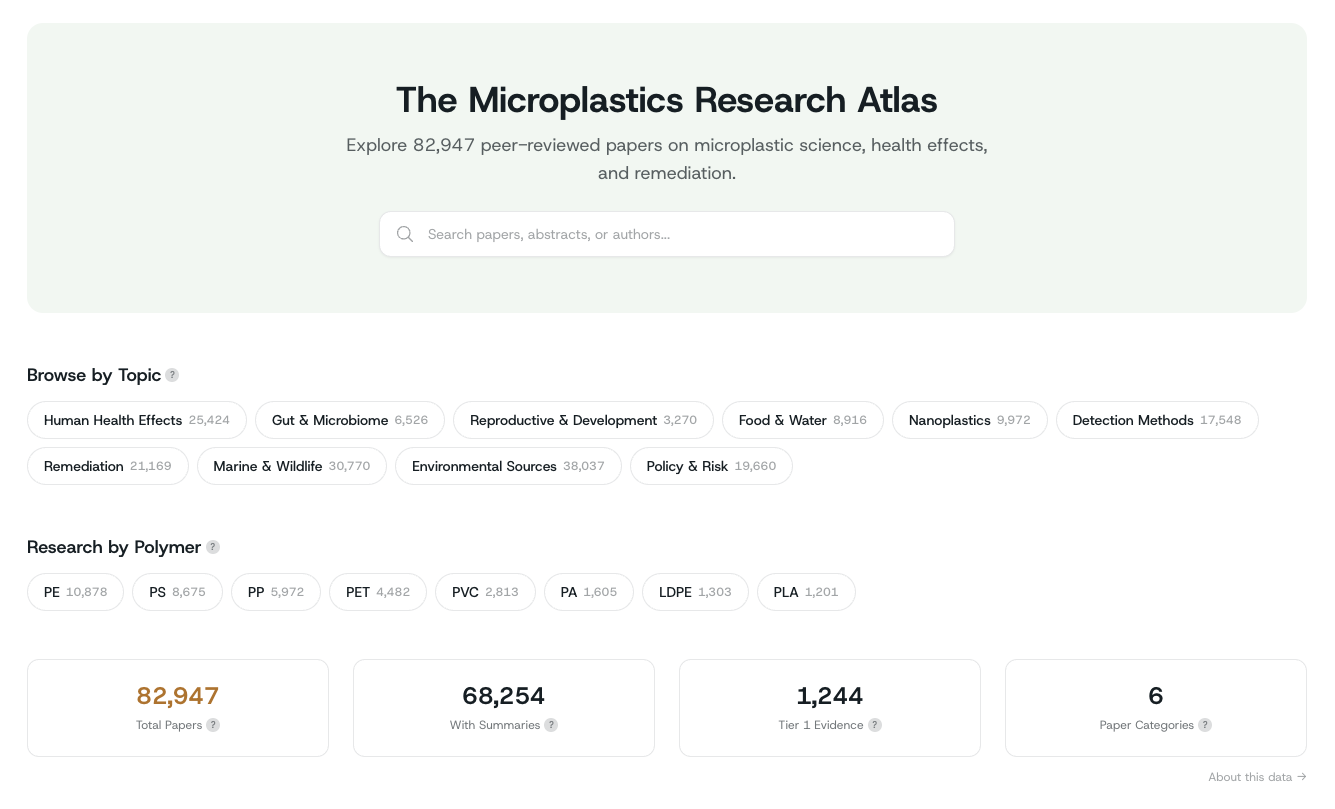
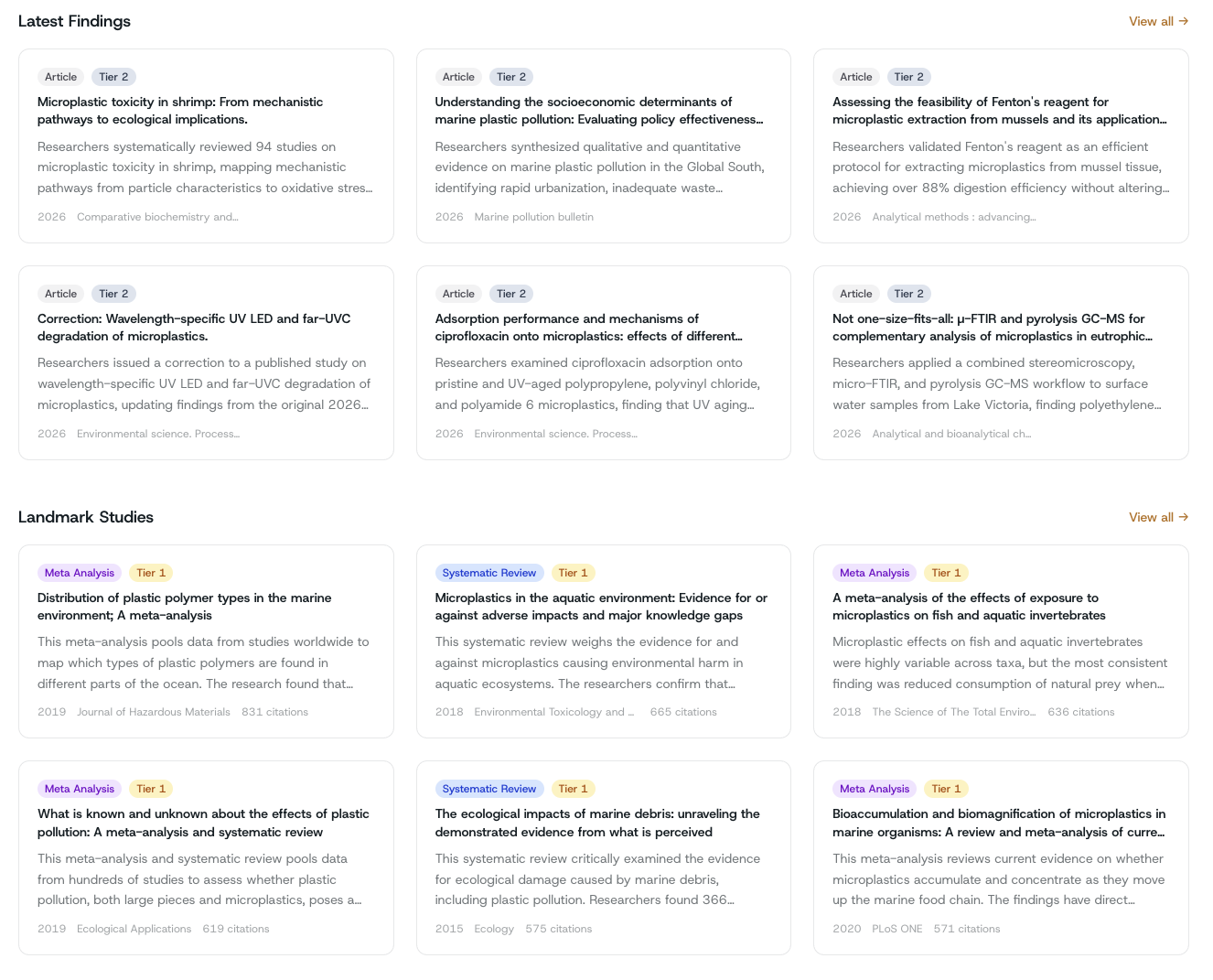
You can browse by major topic areas such as Human Health Effects, Gut & Microbiome, Reproductive & Development, Food & Water, Nanoplastics, Detection Methods, Remediation, Marine & Wildlife, Environmental Sources, and Policy & Risk. You can also explore the literature by polymer, see how many papers are in the corpus, how many have summaries, and how many fall into the highest evidence tier. The home page also highlights Latest Findings and Landmark Studies, so you can move quickly between what is new and what is foundational.
Search when you know what you need, browse when you don’t
If you want to go deeper, the Papers section lets you move from a broad view of the field into a narrower, more usable slice.
You can browse by topic and then refine results using filters such as article type, polymer, body system, and animal model. You can also sort by relevance, citations, date, and recently added, and narrow to higher evidence or open access work when that is useful. That combination matters because literature navigation is rarely one dimensional. Sometimes you want the most cited paper. Sometimes you want the newest. Sometimes you want only a specific body system or polymer. Atlas is built to support those different entry points.
What each paper page is meant to do
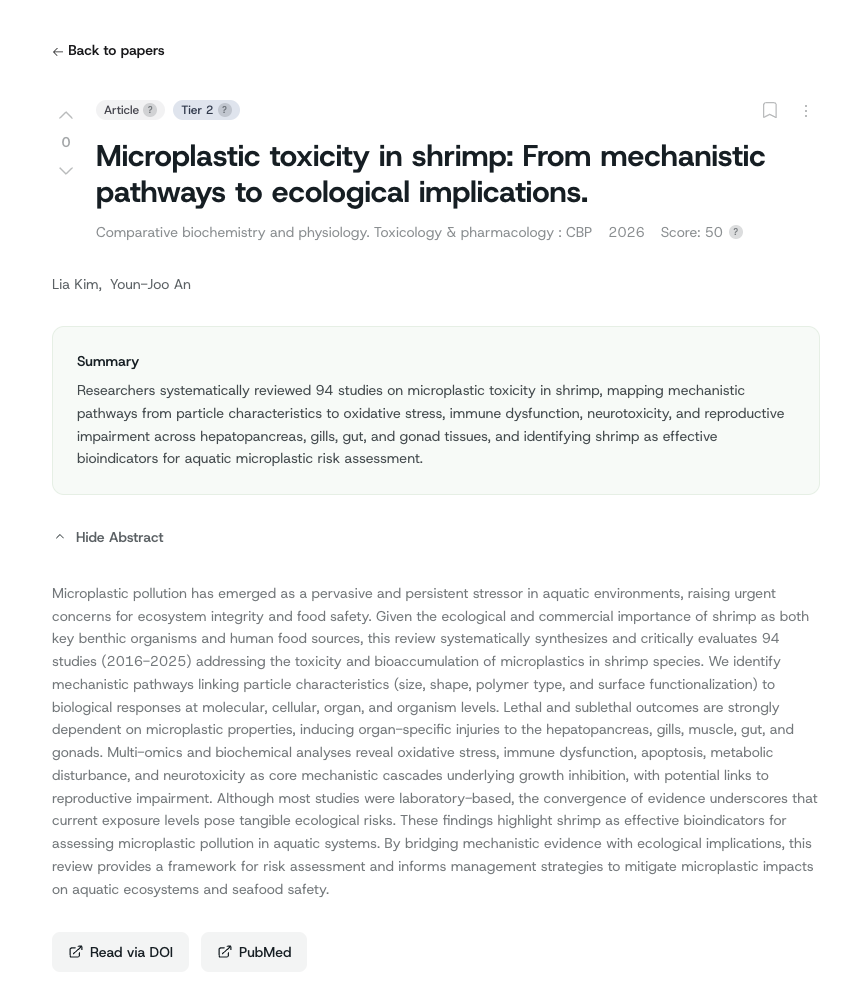
Each paper page is built to make a single study easier to evaluate in context.
Atlas shows an AI generated plain language summary, the abstract, metadata such as journal and year, a relevance score, and links out to the DOI and sources like PubMed or PMC when available.
It also surfaces More Papers Like This, which helps users move through the literature by meaning rather than by exact keyword match alone.
And for signed in users, each paper can become the start of a discussion, not just a dead end in a database.
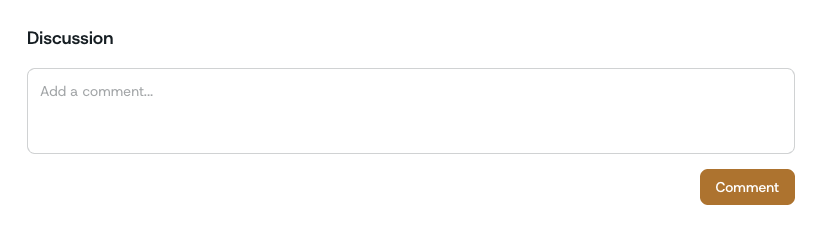
That last point matters to us. Atlas is not meant to feel static. If a paper looks misclassified, off topic, incomplete, or wrongly prioritized, users should be able to flag it.
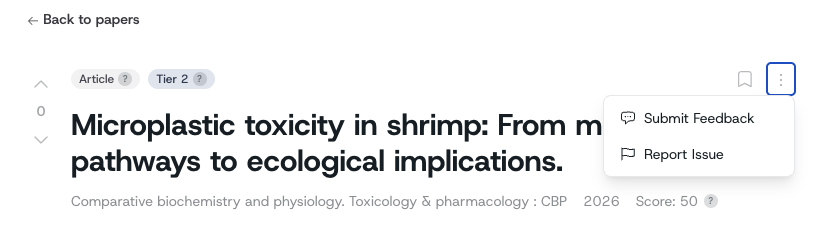
Scientific infrastructure gets better when people can challenge the edges of the system, not just consume the output.
Rankings that show the field from above
Atlas also includes a Rankings section for users who want to understand not just individual papers, but the shape of the research ecosystem.
There, you can explore publication and citation patterns across countries, institutions, authors, and journals.
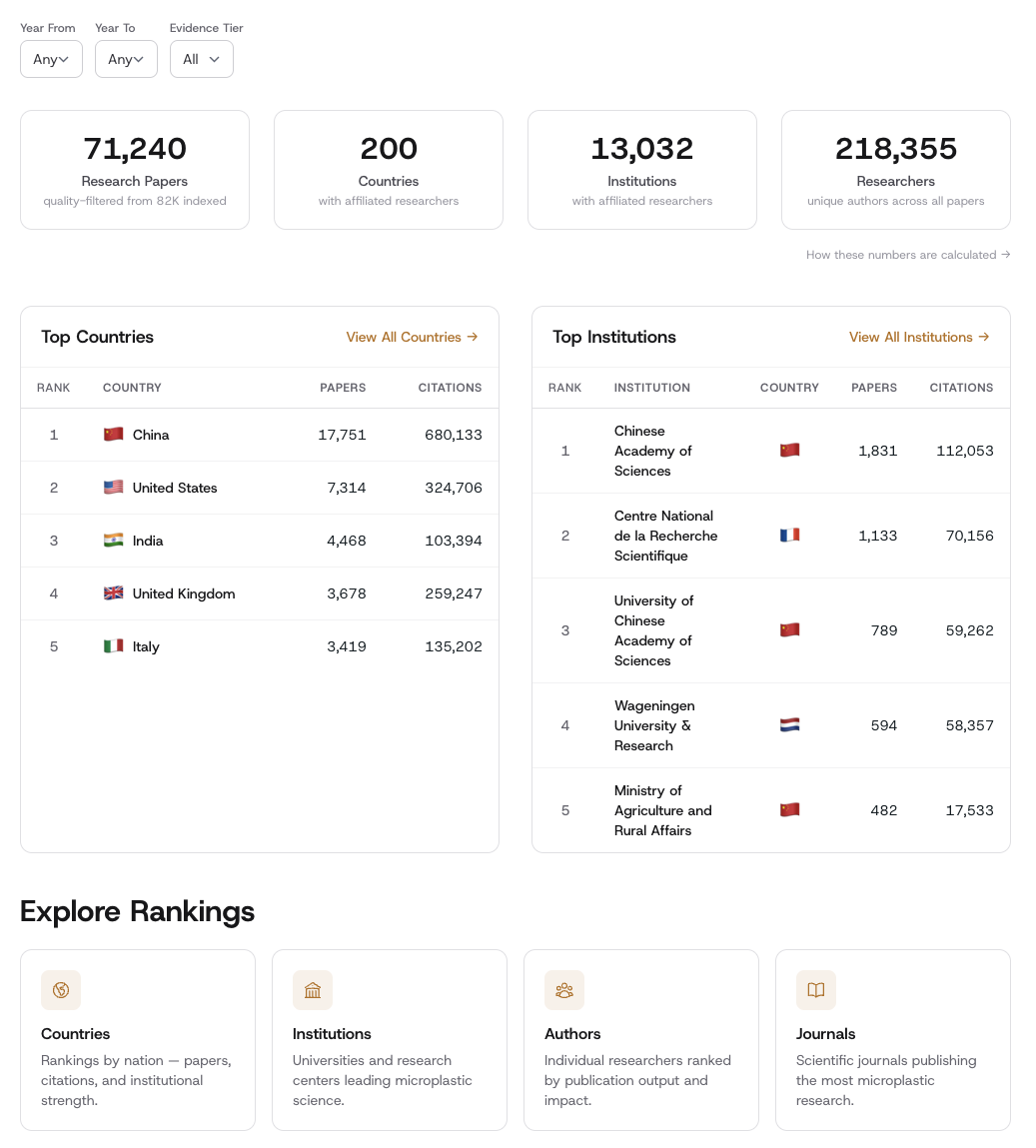
The rankings can be filtered by year range and evidence tier, and are designed to help users see who is publishing, where the field is growing, and which institutions are contributing most heavily to the literature. The page currently shows 71,240 quality filtered research papers, 200 countries, 13,032 institutions, and 218,355 researchers represented in the dataset.
For anyone trying to understand the structure of the field, not just the content inside it, that view can be useful. It helps turn a large literature into something more legible.
A community layer, not just a database
We also wanted Atlas to have a place where users could help shape what comes next.
The Community page is where people can ask questions, submit feature requests, and propose corrections.
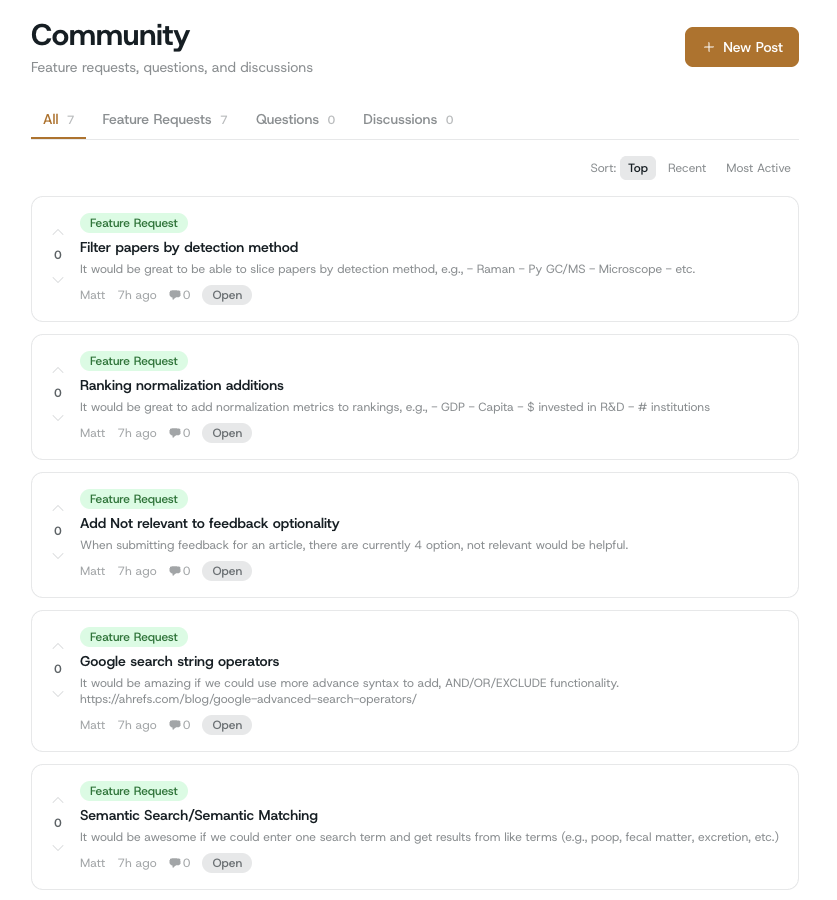
Right now, the page already includes requests around detection method filters, ranking normalization, semantic matching, export options, and improved feedback categories. That is intentional. Atlas is being built as a living system, and part of making it better is making room for visible, structured input from the people using it.
So if something looks off, a classification feels wrong, a feature is missing, or a better way of organizing the field becomes obvious, we want to hear it.
Methodology matters
Atlas is not useful unless people can understand how it works.
That is why the methodology is public. Atlas currently pulls from OpenAlex and PubMed, collecting metadata like titles, abstracts, authors, journals, DOI information, open access links, and citation counts. It does not access or store full paper text. Papers are filtered for relevance, classified from the abstract, assigned an evidence tier, summarized in plain language, and connected through semantic similarity. Atlas also uses rule based keyword annotations for things like polymers, body systems, animal models, and study type.
Just as important, the limitations are public too. Some papers have no abstract and therefore cannot be summarized or semantically related. Classification is abstract only and can be wrong. Keyword annotations are indicative, not exhaustive. Relevance filtering can miss boundary cases. The point is not to pretend a literature system like this is perfect. The point is to make it useful, transparent, and continuously improvable.
Why we built it this way
At Winnow, we believe better tools can improve the quality of a field.
A good research index does not replace reading papers. It makes reading papers more productive. It helps people find the right studies faster, compare bodies of work more clearly, and see patterns that are hard to spot when the literature is fragmented across journals, disciplines, and search habits.
That is what Atlas is for.
A way to search the literature. A way to browse it. A way to pressure test it. And, ideally over time, a way to improve how the field itself is organized and understood.
Scale changes what becomes visible. When a corpus reaches this size and is carefully structured, meaningful patterns can emerge that would otherwise stay buried across thousands of papers, authors, and subfields. Atlas is our starting contribution to that larger effort: building both the platform and the community needed for better questions, better insight, and better shared understanding over time.
Explore Atlas
You can start on the home page, browse by topic, dig into rankings, join the community, or read the methodology behind the system yourself. And if you want to stay close to the newest papers and product changes, you can also sign up for our curated weekly digest of fresh literature and feature updates.
Atlas is still growing. That is part of the point.
We wanted to build something useful now, while leaving room for it to become sharper, more rigorous, and more responsive over time.
Sign in to start a discussion.