When plastic is the default, blame is cheap
Plastic waste is often framed as a personal failure. The truth is larger, and more structural, than that.
There is a familiar line in conversations about plastic.
People make waste. People throw things away. People are the problem.
At one level, this is meant to sound practical. A package becomes trash when someone opens it, uses it, and discards it. But as an explanation for the plastic age, it is too small. It narrows a structural problem into a personal one. It turns a designed reality into a moral shorthand.
And it lets too much disappear from view.
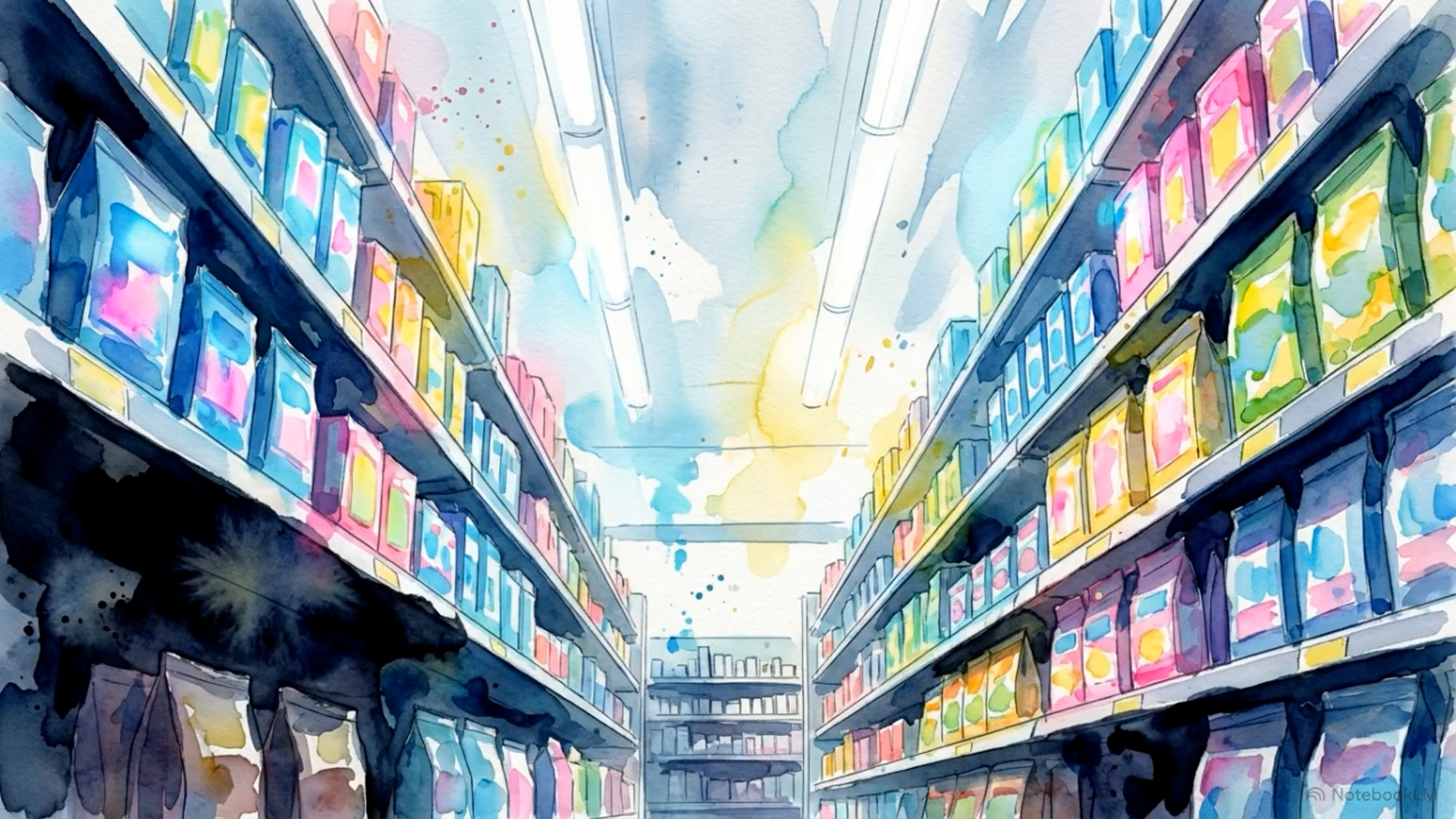
Because the package did not begin in the consumer’s hand. The material was chosen long before that. The format was chosen long before that. The layers, seals, coatings, labels, and shipping protections were chosen long before that. For decades, packaging has been the single largest application for plastics, and recent global material flow work shows that plastics production remains enormous, reaching roughly 400 million tonnes in 2022 [1,8].
That changes the shape of responsibility.
The question is not whether consumers have any role. Of course they do. The question is whether it is honest to speak as though plastic waste begins and ends with the person holding the container.
It does not.
Before the bin, there is the system
Plastic’s burden starts upstream.
It starts in extraction, production, conversion, packaging design, logistics, and the quiet industrial decisions that make disposability feel normal. Cabernard and colleagues found that the carbon and particulate-matter-related health footprint of plastics doubled since 1995, driven mainly by growth in plastics production, especially in coal based economies [2].
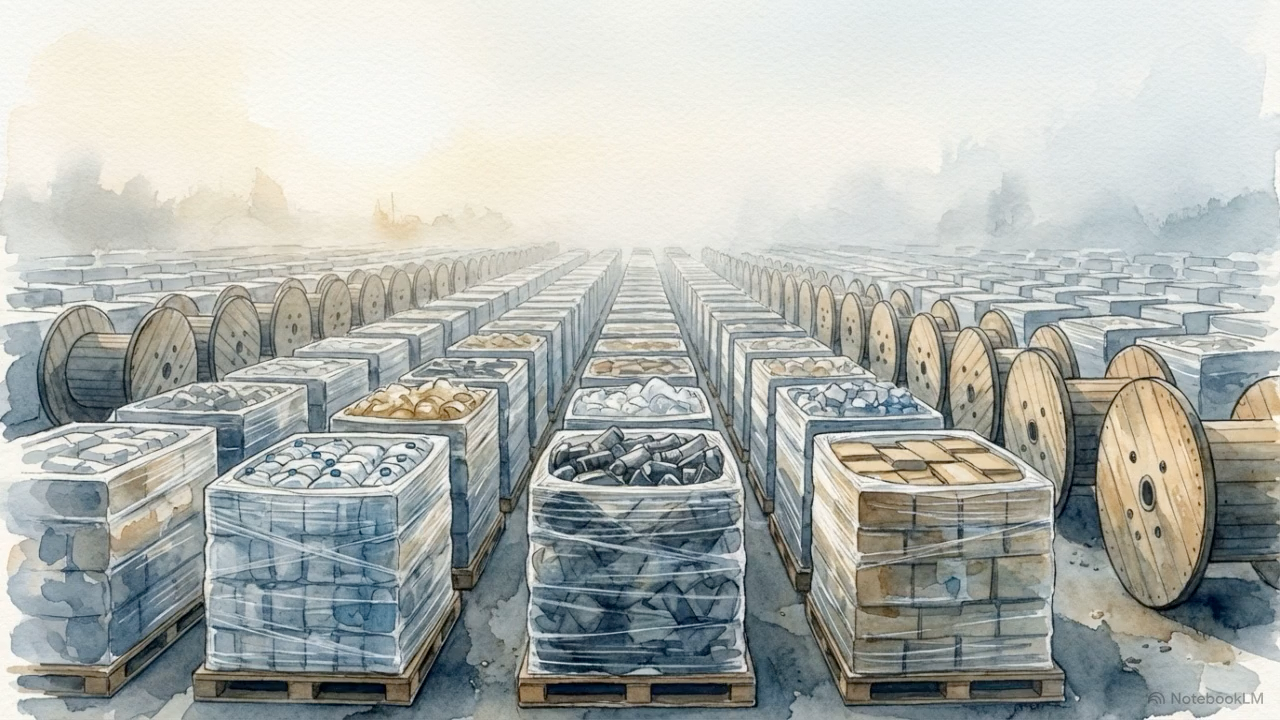
That matters because it reminds us that the damage is not confined to litter or landfill. The system is already imposing costs before a product is ever purchased, opened, or thrown away.
The same pattern appears in pollution itself. In a global analysis of branded plastic pollution across 84 countries, Cowger and colleagues found that 56 companies accounted for more than half of branded plastic pollution, and that plastic production was strongly related to the amount of branded pollution found in the environment [3].
So yes, people discard plastic. But in many cases they are discarding materials and formats they did not meaningfully choose. They are moving through grocery aisles, pharmacies, takeout counters, delivery systems, and household routines already built around single use.
That is why the language of blame feels so incomplete.
Single use plastic is not merely a consumer habit. It is an industrial arrangement.
The limits of personal virtue
None of this makes individual choice irrelevant.
Bring the reusable bag. Choose the refill when it exists. Prefer the lower-waste option where that choice is realistic. These actions matter. They can reduce waste at the margin, and over time they can help signal demand for better systems.
But personal responsibility has limits, especially in an environment where the lower-waste option is often less visible, less convenient, more expensive, or simply unavailable. A systematic review of consumer behavior around plastic packaging found that major barriers include lack of opportunity, inconvenience, task difficulty, and limited understanding. People are more likely to do the right thing when the system actually makes it possible [4].
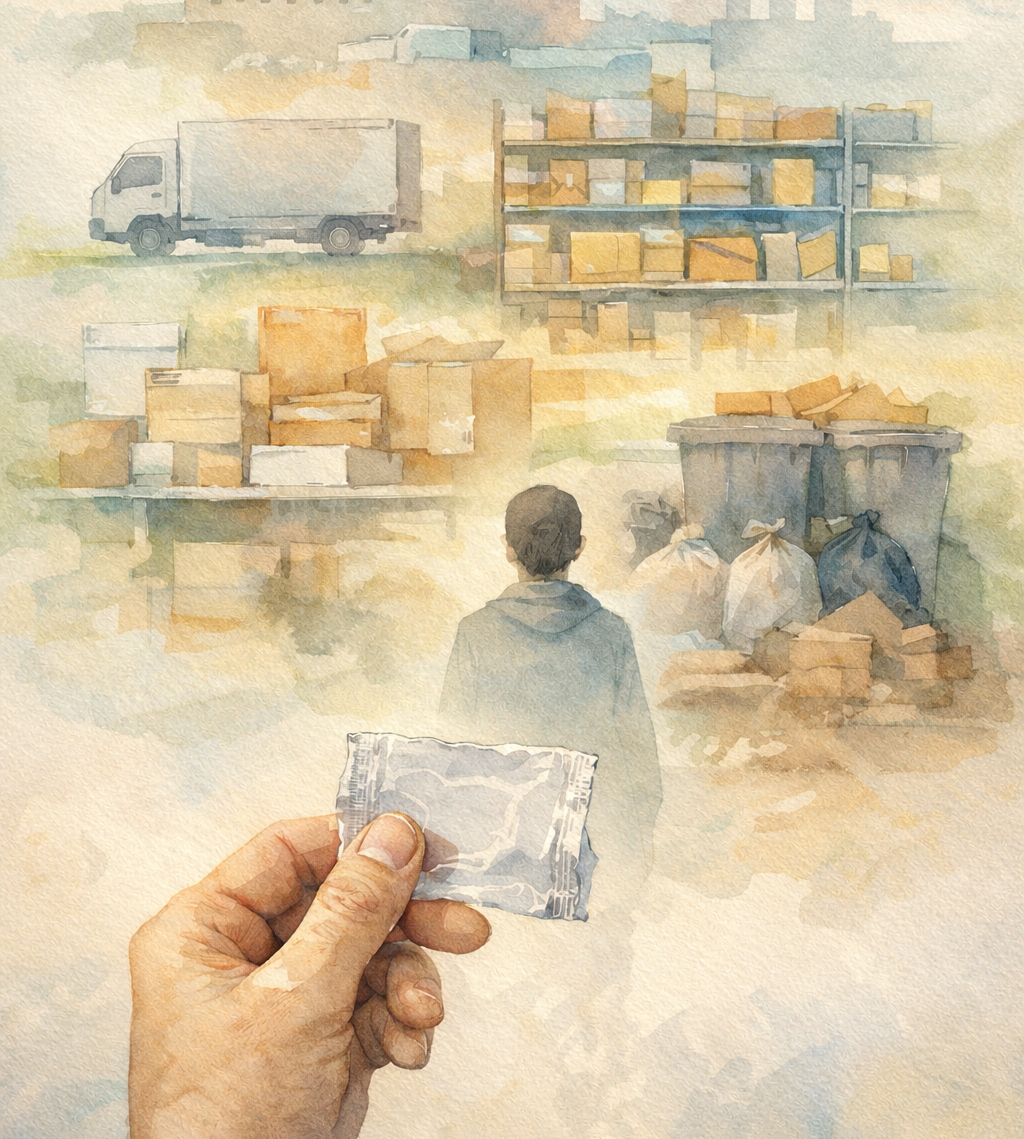
That is the part public conversation often skips past.
It is easy to ask more of the individual. It is harder to ask whether the surrounding world has been built to support that individual in the first place.
For many people, avoiding plastic is not a clean matter of virtue. It is a matter of time, money, access, geography, childcare, work schedules, store options, and the constant compromise of ordinary life. Most people are not choosing a plastic-saturated world because they love disposability. They are navigating the one that exists.
That reality deserves more honesty, and a little more grace.
Recycling was never going to carry this alone
For years, consumers were offered a reassuring story.
Use the plastic. Recycle it carefully. Trust the system.
Recycling does matter. But recycling has never been a complete answer to a culture organized around disposability. Reviews of recycling systems continue to point to the same recurring problems: costly collection, difficult sorting, contamination, variable feedstock, and weak end markets. One recent review notes that in the United States, only 8.66% of municipal solid waste plastic was recycled in 2018, while 75.9% was landfilled [5].
So recycling is not meaningless. But it is partial. It is a tool, not a pardon.
Even the alternatives require infrastructure. A review of reusable packaging systems found that success depends on return rates, standardization, stakeholder coordination, and practical systems that can actually function at scale [6].
This is why the consumer-only frame ultimately fails. It asks the individual to solve at the checkout counter what was built across decades of industrial design, logistics, marketing, and policy.
What a fairer view would ask of us
A fairer account of plastic would still leave room for personal responsibility. It would simply put that responsibility back in proportion.
Consumers should pay attention where they can.
Companies should reduce unnecessary packaging, improve design, and stop treating waste as though it begins only after the sale.
Institutions should build refill, return, and recovery systems that are legible and accessible.
Policy should help make the less wasteful option the easier and more ordinary one.
That is not an extreme position. It is the practical conclusion of looking at the problem honestly.
The best systems modeling says the same. In Science, Lau and colleagues found that no single intervention can solve plastic pollution on its own, but that combining feasible interventions could reduce plastic pollution by 78% relative to business as usual by 2040 [7].
The lesson is simple.
This problem became ubiquitous through systems. It will only become less ubiquitous through systems too.
The moral weight should follow reality
That, finally, is why blame lands so poorly here.
It mistakes participation for authorship.
People do throw things away. That much is true. But they do so inside a world already arranged around disposable materials. They inherit the shelf, the packaging format, the shipping logic, the product design, the waste system, and the limits of what is locally possible.
Personal responsibility still matters. But it should not be asked to do the work of infrastructure, policy, and industrial design all by itself.
The consumer has a role.
So do companies.
So do institutions.
So does policy.
Responsibility should follow reality.
And in a world where plastic is the default, reality is larger than the person holding the package.
References
- 1.↑ Geyer, R., Jambeck, J. R. & Law, K. L. Production, use, and fate of all plastics ever made. Sci. Adv. 3, e1700782 (2017). PubMed
- 2.↑ Cabernard, L., Pfister, S., Oberschelp, C. & Hellweg, S. Growing environmental footprint of plastics driven by coal combustion. Nat. Sustain. 5, 139–148 (2022).
- 3.↑ Cowger, W. et al. Global producer responsibility for plastic pollution. Sci. Adv. 10, eadj8275 (2024). PubMed
- 4.↑ Jacobsen, L. F., Pedersen, S. & Thøgersen, J. Drivers of and barriers to consumers’ plastic packaging waste avoidance and recycling – A systematic literature review. Waste Manag. 141, 63–78 (2022). PubMed
- 5.↑ Tumu, K., Vorst, K. & Curtzwiler, G. Global plastic waste recycling and extended producer responsibility laws. J. Environ. Manag. 348, 119242 (2023). PubMed
- 6.↑ Bradley, C. G. & Corsini, L. A literature review and analytical framework of the sustainability of reusable packaging. Sustain. Prod. Consum. 37, 126–141 (2023).
- 7.↑ Lau, W. W. Y. et al. Evaluating scenarios toward zero plastic pollution. Science 369, 1455–1461 (2020). AtlasPubMed
- 8.↑ Houssini, K., Li, J. & Tan, Q. Complexities of the global plastics supply chain revealed in a trade-linked material flow analysis. Commun. Earth Environ. 6, 257 (2025).
Sign in to start a discussion.