Inside the lab
How we test for contaminants
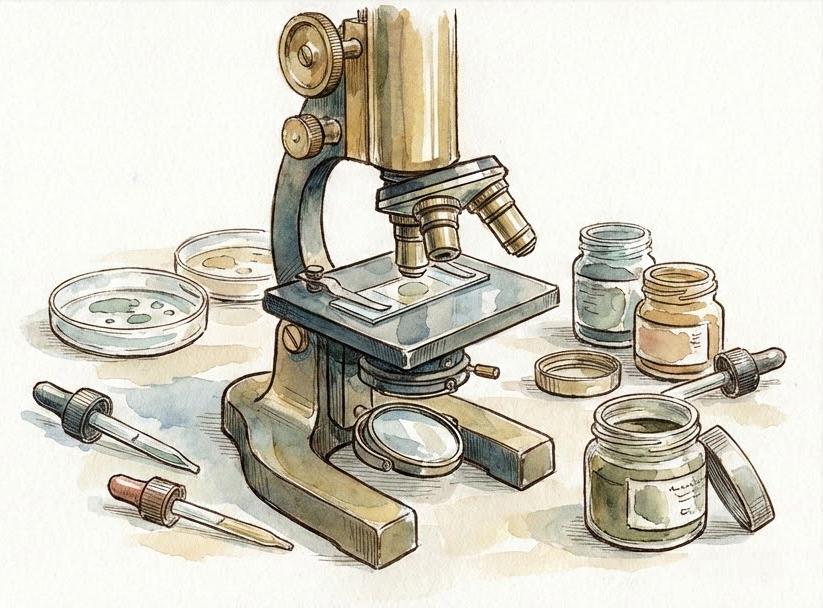
For Winnow, cleanliness is not a finishing touch. It is part of the product itself.
We live in a world of constant low-level exposure, from food, water, air, and the materials that move through everyday life. And with something taken daily, small exposures matter. They can add up over time. So when we think about product quality, we are not only thinking about what a supplement is designed to deliver. We are also thinking about what it should not.
That is why we take contaminant testing seriously.
A clean supplement is not just defined by how the label looks. It is defined, in part, by what the label does not show. That work - sample preparation, instrument calibration, validated methods, control samples, blanks, duplicate runs - happens in the laboratory, a place most customers will never visit.
For our current contaminant testing, we use Light Labs.
Light Labs is an ISO 17025 accredited laboratory that operates validated methods on LC-MS/MS, ICP-MS, HPLC, and GC-MS instruments, with routine calibration and monitoring through control samples, blanks, and duplicates [1].
And, the results from their testing are not kept behind the curtain. Through the Light Labs widget on our product pages, customers can actually browse the testing data, see which lab performed the work, and review the signed certificate of analysis for themselves. That level of transparency matters. In a category where testing is often referenced but rarely shown, we think people should be able to look for themselves.
That means our testing is not just decoration or there to create a badge or a vague feeling of reassurance. It is there to demonstrate our commitment to our mantra - Good in. Bad out.
Our current Winnow testing records include heavy metals, glyphosate and AMPA reported, a targeted sports supplement adulterant panel, a broad allergen screen, and key microbial targets.
Contaminants do not arrive in one neat category, and our testing menu reflects that. Heavy metals are measured differently than microbes. Allergen verification does not work like a pesticide screen. A targeted adulterant panel for undeclared stimulants or anabolic agents is a different analytical problem again. The pesticide panel uses QuEChERS extraction followed by LC-MS/MS and GC-MS/MS. Many allergen assays use ELISA methods built around calibrated standard curves and control samples. Microbiology testing references AOAC, FDA BAM, and USP methods, depending on the organism or panel.
The reason this matters is simple. It means the product is not being asked one narrow question, but rather many.
Are heavy metals within spec?
Are herbicide residues present?
Are common allergens absent?
Are key microbes and pathogens absent or controlled?
Are there undeclared compounds that do not belong in a supplement at all?
Each category requires its own method logic, its own controls, and its own way of interpreting what a result means [1].
This is also why we prefer to speak plainly about testing. A lab report is strong evidence about the submitted sample for the batch that was tested. It is not a mystical guarantee that no issue could ever exist anywhere in a supply chain. Or that every batch will have the same results. Albeit strict GMP manufacturing helps with that.
In other words, serious testing is not just a marketing extra. It is part of the operating backbone of Winnow’s quality.
We are not interested in adding avoidable burden to a daily routine. If a person is trying to be more thoughtful about what they put into their body, the product they choose should reflect that same standard. Cleanliness is part of Winnow’s integrity. It is part of respecting the fact that daily habits compound.
So when we talk about cleanliness, purity, or integrity, we try to mean something concrete. We mean choosing methods that match the risk. We mean looking across categories rather than checking one convenient box. We mean asking harder questions in places most people will never see.
Sign in to start a discussion.